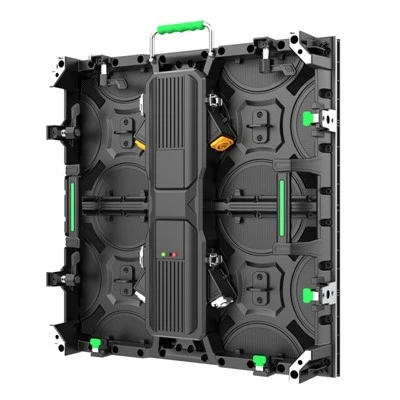

The capacity selection for LED displays primarily depends on the display area, content, and actual application requirements. For smaller meeting rooms, exhibition halls, or shop displays, a lower-capacity control system and storage configuration are generally sufficient for daily image, text, and video playback. However, for large advertising screens, stadium displays, and other similar projects, greater data processing and storage capacity is needed to ensure smooth playback of high-resolution images.
When selecting capacity, the screen's resolution and pixel count should be considered. Larger display areas and smaller pixel pitches result in more pixels, placing higher demands on the control system's data processing capabilities and storage space. If long-term playback of high-definition video, animation, or live streaming content is required, sufficient storage capacity and transmission bandwidth should be reserved to avoid issues such as stuttering, latency, or image anomalies.
Capacity configuration should also consider future expansion needs. During the project planning phase, the configuration level of the control system and storage devices can be appropriately increased based on potential increases in display area, upgrades to display content, or network management requirements. This not only meets current usage requirements but also facilitates subsequent system upgrades and functional expansions, improving overall efficiency and investment value.