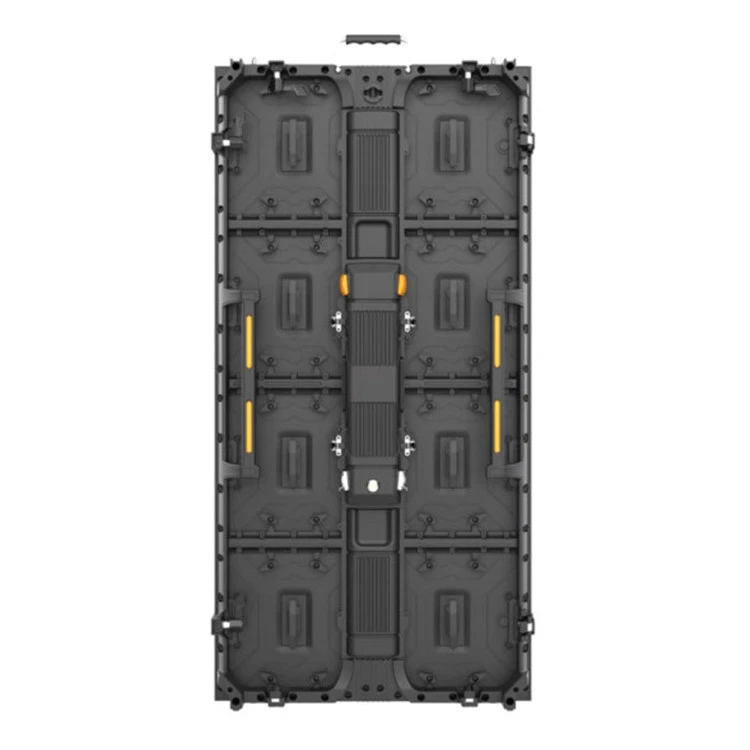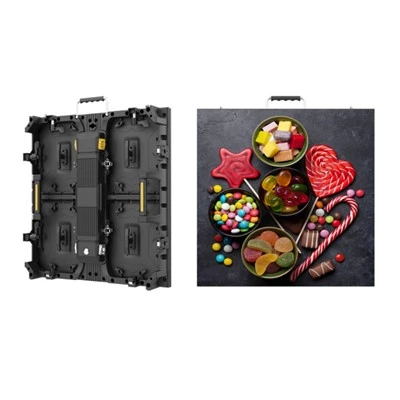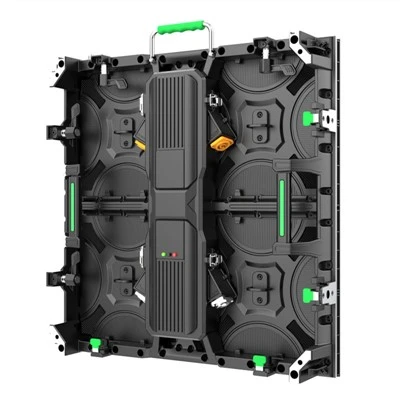

LED displays should be strictly managed according to operating procedures to ensure safe operation and extend their lifespan. When powering on, turn on the control equipment and signal source first, then turn on the display power; when powering off, reverse the order: turn off the display power first, then turn off the control system and related equipment to avoid damage to electronic components due to current surges.
During daily operation, maintain a stable power supply voltage and avoid frequent power-on/off cycles and prolonged overload operation.
Operators should regularly check the operating status of the control system, signal lines, and power supply equipment. If abnormalities are found in the image, uneven brightness, or equipment alarms, stop the machine immediately for inspection to prevent the fault from escalating. Simultaneously, adjust the brightness appropriately according to the actual environment to ensure display quality while helping to reduce energy consumption and minimize component aging.
During maintenance and repair, the power must be disconnected before any operation. It is strictly forbidden to disassemble modules, power supplies, or control cards while the power is on. For outdoor displays, regularly check the waterproof, dustproof, and heat dissipation facilities to prevent rainwater leakage, dust accumulation, or excessive temperature from affecting normal operation. Through standardized operation and regular maintenance, the stability, safety, and lifespan of LED displays can be effectively improved.