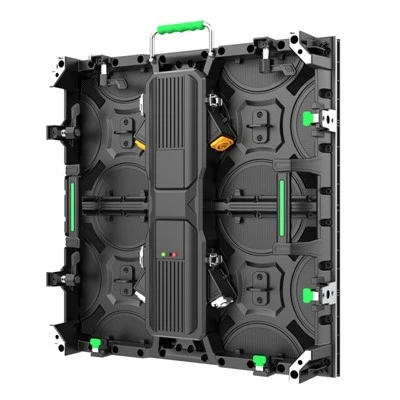

LED displays are precision electronic devices, and strict adherence to regulations is essential during transportation to ensure the screen, modules, and electronic components are not damaged.
Packaging Protection: Critical components such as modules, control cards, and driver power supplies should be packaged using anti-static, shockproof, and moisture-proof materials, such as anti-static bags, bubble wrap, foam boxes, or wooden crates. The box and the entire screen must be securely fixed before transportation to prevent structural deformation or component damage due to vibration and collisions.
Handling and Loading: Avoid heavy pressure, squeezing, and drops during transportation, especially as module panels are fragile and require careful handling. The entire screen or box should be placed stably and securely, avoiding prolonged jolting on the transport vehicle. Loading and unloading personnel must wear protective gloves and tools to minimize the risk of human-caused injury.
Environment and Temperature/Humidity: Avoid humid, high-temperature, or low-temperature environments during transportation and temporary storage to prevent circuit board moisture damage, enamel aging, or LED chip damage. For long-distance transportation, it is recommended to use well-sealed containers and, if necessary, place desiccants or temperature and humidity monitoring equipment to ensure the LED display arrives at the installation site in good condition.