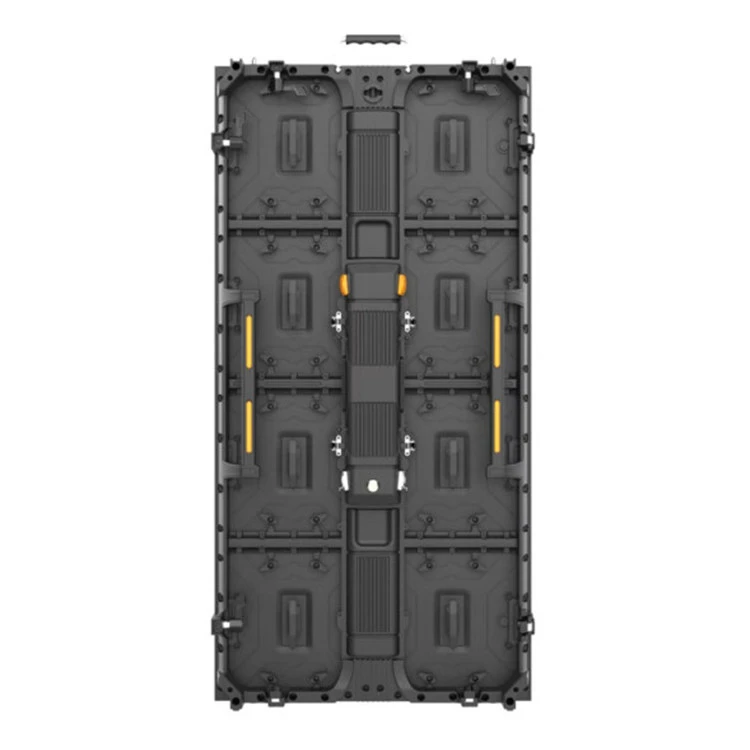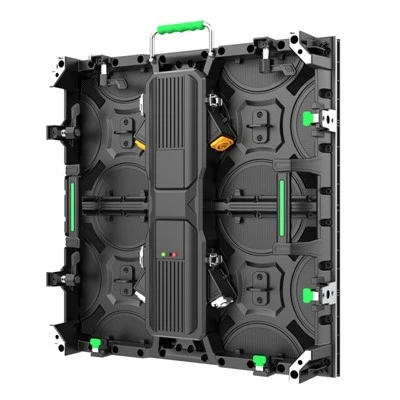

LED displays require adherence to specific environmental and management standards during storage to ensure component performance remains unaffected and extend lifespan. Firstly, environmental requirements dictate that storage warehouses be kept dry and well-ventilated, avoiding moisture and water accumulation, as humidity can easily lead to circuit board dampness, component oxidation, and even short circuits. Simultaneously, temperatures should be controlled within a reasonable range to prevent high or low temperatures from causing aging or performance degradation of LED chips, driver power supplies, and other components.
Precision electronic components such as LED modules and control cards should be sealed in anti-static bags or packaging materials to prevent electrostatic discharge damage. Cabinets, modules, and other components should be properly dustproofed, and dust covers should be used when necessary to prevent dust, oil, or foreign objects from entering and affecting subsequent installation and operation.
Components should be stored categorized and neatly arranged, avoiding deformation or damage from heavy pressure, especially for modules and screen structural components, which should be handled with care. Different models and batches should be clearly labeled for easy retrieval and management later. Regular inventory checks should be conducted, and any damp, aged, or damaged components should be promptly addressed or replaced to ensure the products are always in good condition.