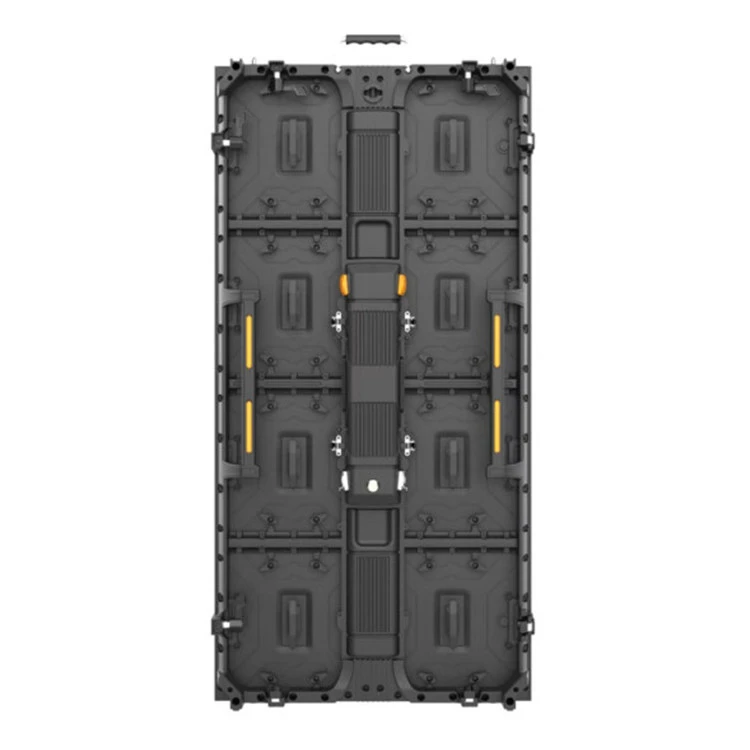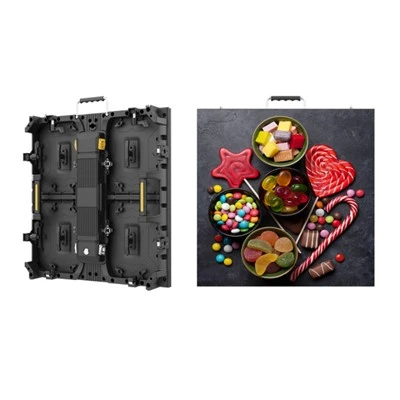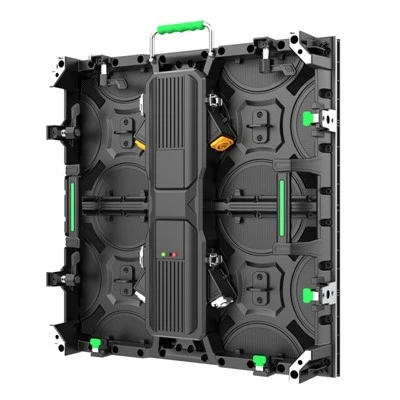

The sealing performance of an LED display screen primarily refers to its ability to resist water, dust, and moisture. This directly impacts the stable operation of the equipment in various environments, especially critical for outdoor applications.
Structurally, LED displays typically achieve overall sealing through cabinet splicing, sealing strips, and waterproof structures. Rubber sealing strips or waterproof adhesive are used at the joints between cabinets to prevent rainwater and dust from entering the internal circuitry. Simultaneously, critical locations such as cable outlets and power interfaces are also designed to be waterproof and dustproof, reducing the impact of the external environment on electronic components.
In practical applications, sealing performance is usually measured by protection ratings (IP ratings), such as IP65 and IP54. IP65 indicates that the equipment has good dust resistance and can withstand low-pressure water jets, making it suitable for most outdoor environments. Good sealing performance not only extends the lifespan of the LED display screen but also improves its reliability in high-humidity, dusty, or rainy environments.