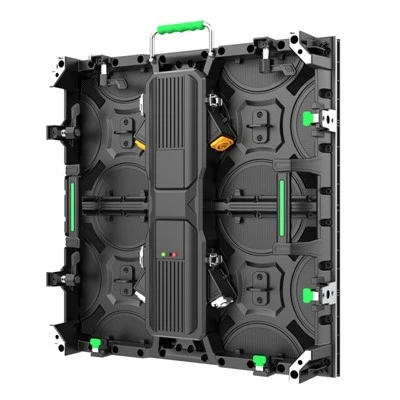

The viewing distance of an LED display screen generally refers to the distance at which viewers can clearly see the screen content and obtain a good viewing experience. This distance is mainly determined by the pixel pitch. The smaller the pixel pitch, the denser the pixels, the closer the viewing distance and the more detailed the image; conversely, the larger the pixel pitch, the more suitable it is for viewing at a distance.
Generally, there is a commonly used empirical formula for viewing distance: minimum viewing distance ≈ pixel pitch (mm) × 1~2, and the optimal viewing distance is approximately 3~6 times the pixel pitch. For example, the optimal viewing distance for a P2.5 LED display screen is usually around 7.5 meters to 15 meters; while a P10 outdoor screen is more suitable for viewing at distances of 30 meters and above.
In practical applications, it is also necessary to select the appropriate specifications based on the usage scenario. Indoor conferences, exhibition halls, or shopping malls typically choose small-pitch screens to ensure clear viewing at close range; while outdoor advertising, sports stadiums, and other scenarios place greater emphasis on long-distance visibility and brightness performance. Therefore, viewing distance is not only a technical parameter but also directly affects the selection and performance of LED displays.