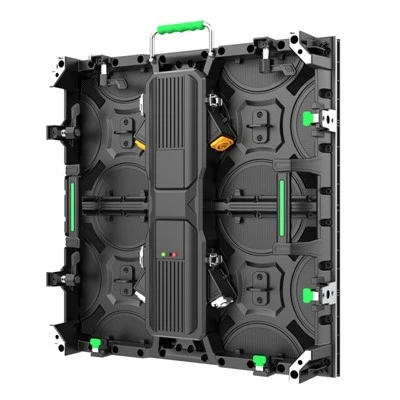

The key technologies of LED displays are mainly reflected in several aspects such as display imaging, signal processing, drive control and system stability. These technologies jointly determine the overall performance and display effect of the screen.
The first is pixel display and packaging technology. The LED display screen is imaged by a combination of RGB three primary color lamp beads, and the packaging process directly affects brightness, color consistency and reliability. With the development of technology, small-pitch packaging and surface mount (SMD) technology have gradually become popular, making the picture more delicate and suitable for close-range high-definition display scenarios.
Followed by drive and scan control technology. The LED display uses a constant current drive method to achieve precise lighting of high-density pixels through scanning control. The scanning method (such as 1/16 scan, 1/32 scan) and driver IC performance determine the refresh rate, grayscale performance and whether there is flicker problem, and are important factors affecting the smoothness of the picture.
The third is signal transmission and image processing technology. The control system is responsible for segmenting, correcting and synchronously transmitting video signals to ensure that each module can accurately display the corresponding content. The cooperation of high-performance sending card, receiving card and video processor can realize high-definition playback, remote control and multi-signal switching, improving the flexibility and stability of the system.
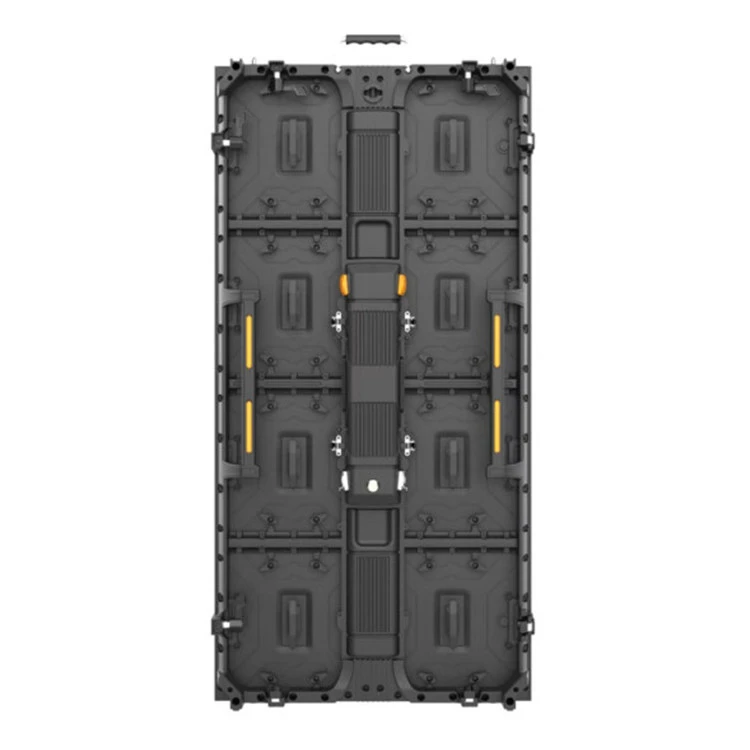
Finally, there is the heat dissipation and reliability technology. LED displays will generate heat during long-term operation, so they need to rely on aluminum alloy boxes, heat dissipation structures and reasonable circuit design to control temperature. At the same time, structural design such as waterproofing, dustproofing and anti-corrosion is also the key technical foundation to ensure long-term and stable outdoor operation.