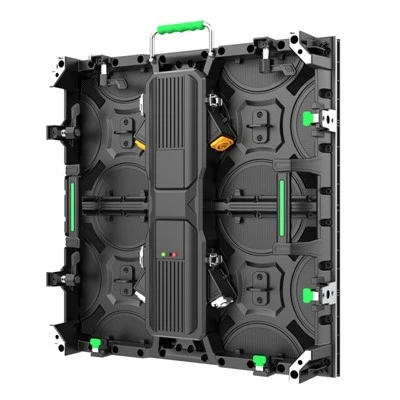

The core components of LED displays have strict material requirements to ensure stable operation over long periods. LED chips and modules are often encapsulated in epoxy resin or silicone, which is transparent, heat-resistant, and waterproof/dustproof. The module base plate typically uses fiberglass board or metal substrate, which not only secures the LED chips but also effectively dissipates heat, ensuring uniform screen brightness.
The housings of the driver power supply and control card are mostly made of aluminum alloy or cold-rolled steel, protecting internal electronic components and facilitating heat dissipation. Circuit boards are made of copper-clad laminate, featuring precise wiring and excellent insulation and high-temperature resistance, ensuring stable and reliable system operation.
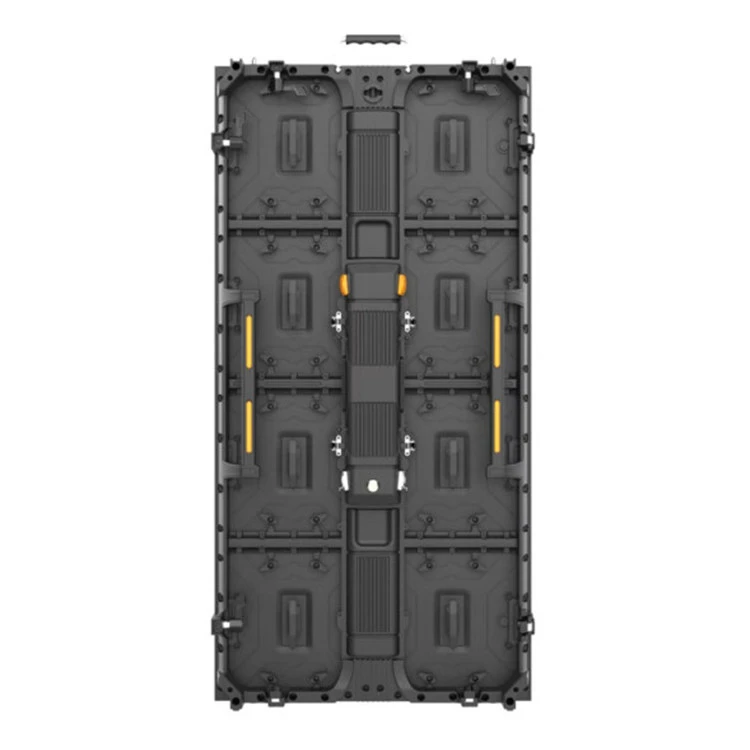
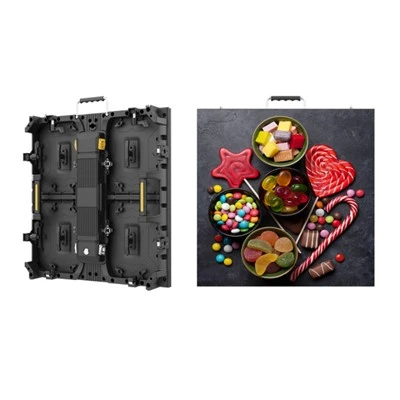
The materials used for the cabinet and support structure are equally important. Outdoor displays often use aluminum alloy or galvanized steel for corrosion resistance and ease of handling and installation; indoor displays can use lightweight metal or plastic materials to reduce weight and cost. Meanwhile, heat sinks are typically made of aluminum or copper, and cables use PVC or silicone sheaths; these materials collectively ensure the durability and safety of the display in various environments.